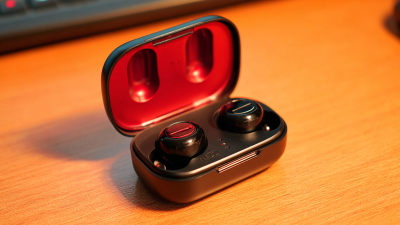

How to Choose TS300 TWS Earbuds for Wholesale Buying?

Choosing Ts300 Tws Earbuds for wholesale is not just a price comparison. It is a product-validation exercise. A low unit cost can look attractive until inconsistent pairing, weak microphone performance, or uncomfortable fit leads to returns. Buyers should request production samples and test them across several phones, not just one familiar device.

Audio researcher Sean Olive’s published work offers a useful perspective on evaluating sound. The following is an editorial paraphrase, not a verbatim quotation: “Specifications are a starting point; repeatable listening tests reveal what buyers will actually hear.” Keep that distinction clear. For TS300 samples, compare volume balance, call clarity, Bluetooth stability, and charging behavior in ordinary conditions. Try them in a quiet office and near everyday background noise. Small differences matter.

Check the details. Confirm packaging options, logo placement, included cable, instruction materials, and carton quantities before approving a bulk order. Ask suppliers how they handle sample-to-production consistency, and document agreed specifications in writing. A single sample cannot guarantee every unit will match. That is the uncomfortable part. Wholesale buyers should also calculate landed cost, expected defect allowances, and replenishment time, rather than relying on the quoted unit price alone. This guide explores those checks and the questions worth asking before placing a larger order.
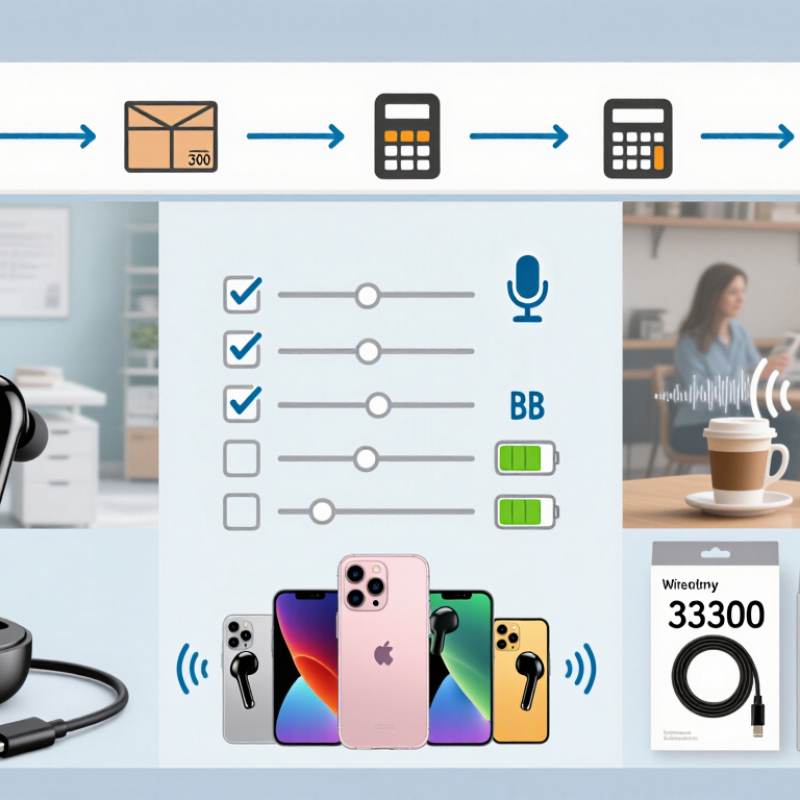
How to Choose TS300 TWS Earbuds for Wholesale Buying?

TS300 TWS Earbuds: Product Overview and Core Specifications

TS300 TWS Earbuds: Product Overview and Core Specifications

For wholesale evaluation, treat the TS300 as a specification-led product, not just a compact pair of earbuds. Confirm the supplier’s current datasheet before comparing quotes. Check Bluetooth version, supported codecs, driver size, battery capacity, charging case capacity, and stated playtime. Ask whether playtime was measured at a defined volume level; otherwise, supplier figures may not be comparable. Also request details on microphone performance, charging time, controls, and included cable.

Fit and finish matter in a sample review. Check that both earbuds sit securely, the case lid closes evenly, and the charging contacts connect without repeated adjustment. Test calls in a quiet room and near ordinary background noise. Small differences can affect returns. Not glamorous, but important. Confirm the product’s dimensions, net weight, packaging, and available color options against the sample you will approve.

Market context supports careful selection. Grand View Research estimated the global true wireless stereo earbuds market at about USD 6.4 billion in 2023, with projected growth through 2030. Bluetooth SIG’s 2024 Market Update also projected rising Bluetooth device shipments, including audio products, over the coming years. These figures indicate demand, not a guarantee of sales for any specific model. For a wholesale order, request test results, warranty terms, spare-part availability, and written confirmation that production units match the approved TS300 sample. A spec sheet can still miss practical details.

Key Features to Evaluate for Wholesale Buyers

For TS300 wholesale buying, check fit, sound, call quality, and battery performance on physical samples. Counterpoint Research reported that global TWS shipments grew 6% year over year in Q3 2024. That growth makes consistent quality checks important, especially when ordering large quantities. Test one pair in a quiet room and beside a busy street. Listen for clear voices, stable Bluetooth connection, and audio that stays balanced at moderate volume. Short tests help.

Battery claims need practical verification. Play audio continuously, then check whether the earbuds and case recharge as specified. Bluetooth SIG’s 2024 Market Update forecasts 7.5 billion annual Bluetooth device shipments by 2028, reflecting the technology’s broad adoption, not a guarantee of TS300 performance. Ask suppliers for battery capacity, charging time, Bluetooth version, microphone details, and supported device compatibility. Also inspect hinge movement, case alignment, and charging contacts; small defects become costly across a wholesale batch. A spreadsheet can still miss loose lids or uncomfortable tips. No spec sheet tells the whole story. Record sample results, but leave room for retesting when production materials change.

How to Choose TS300 TWS Earbuds for Wholesale Buying? - Key Features to Evaluate for Wholesale Buyers

Evaluation area What to check for the TS300 Wholesale buyer benchmark or action Why it matters
Bluetooth version and compatibility Request the exact Bluetooth version, supported audio profiles, and compatibility information from the supplier. Test pairing, reconnection, and audio playback with current iOS and Android devices before placing a bulk order. Compatibility and connection behavior affect returns and customer support needs.
Battery life and charging case Verify the stated playback time per charge, case capacity, charging time, and battery test conditions. Compare supplier claims with sample testing at a consistent volume; confirm whether figures are measured with or without additional case charges. Battery performance is a frequent source of product dissatisfaction and warranty claims.
Charging interface Confirm the case connector type, supported input rating, and whether a cable is included. Check charging with compatible cables and adapters; ensure packaging contents match the sales listing and destination-market requirements. Clear charging details reduce compatibility issues and listing errors.
Audio and microphone quality Listen for balanced sound and test call clarity in quiet and moderately noisy environments. Sample-test multiple units from the production batch; request details of microphone configuration and any noise-reduction functions. Performance can vary between units, and call quality is difficult to judge from specifications alone.
Fit and wearing comfort Check earbud shape, included ear-tip sizes, stability, and comfort during extended wear. Have several testers try the sample; verify that all advertised accessories are included in each retail package. Fit varies by user and strongly affects perceived sound and comfort.
Controls and everyday use Test touch or button controls, call handling, track changes, voice-assistant access, and independent earbud use where applicable. Confirm the control scheme in the user manual and check that functions work consistently across repeated trials. Intuitive, reliable controls reduce setup questions and negative reviews.
Durability and water resistance Ask whether the earbuds have an IP rating and request supporting test documentation; check case hinge and charging contacts. Do not advertise a water-resistance level unless it is documented for the exact product configuration. Clarify that an earbud rating may not apply to the case. Unsupported durability claims can create customer and compliance risks.
Build consistency and quality control Inspect finish, case alignment, charging contacts, pairing, audio balance, and packaging across a sample set. Agree on a written inspection checklist, acceptable defect criteria, and a pre-shipment inspection process. A clear quality standard helps control defect rates in larger orders.
Compliance and documentation Request applicable market documents for the exact model, including radio, battery, and transport documentation where relevant. Verify documents with the relevant testing body or compliance adviser for each destination market before shipment. Requirements vary by market and product configuration; documentation should be checked rather than assumed.
MOQ, pricing, and lead time Obtain written quotes for sample, trial, and repeat-order quantities, with production and shipping lead times. Compare total landed cost, including packaging, freight, duties, payment fees, and any customization charges. A low unit price may not represent the lowest overall cost or a practical replenishment plan.
Warranty and after-sales support Confirm the warranty period, claim process, spare-unit policy, and responsibility for defective goods. Record agreed terms in the purchase order and keep sample, batch, and defect records for future claims. Defined support terms make wholesale risk easier to manage.

Note: Specifications and compliance status should be confirmed against a current TS300 sample and supplier documentation before purchase. The evaluation points above are checks for buyers, not verified TS300 specifications.

How to Verify TS300 Quality and Supplier Reliability

When evaluating TS300 TWS earbuds for wholesale, inspect a working sample before discussing large quantities. Test both earbuds in a quiet room and near ordinary background noise. Check pairing speed, microphone clarity, charging contacts, and whether the case closes securely. Note the exact playback time under your own listening conditions; advertised figures may use different test settings. A sample can still hide batch variation, so it is not proof on its own.

Tips: Request a written specification, recent quality-check records, and clear photos of packaging and serial labels. Keep your own notes.

Supplier reliability shows in details. Ask how defects are handled, what the warranty covers, and whether replacement parts are available. Confirm production and delivery timelines in writing, including how delays are communicated. A dependable supplier should answer technical questions consistently and provide documents that match the sample. If answers stay vague, pause before paying a deposit. For a trial order, agree on an inspection method and acceptable defect limits beforehand. This step takes time, and I would not skip it just to secure a lower unit price. Compare quotations only after checking what they include, such as packaging, accessories, and shipping terms.

Use this 100-point checklist to compare wholesale offers. The weights are a suggested buyer evaluation framework, not measured TS300 product results. Verify performance with samples and request supporting test records, inspection evidence, and written warranty terms before ordering.

Pricing, Minimum Order Quantities, and Wholesale Terms

When comparing TS300 TWS earbuds for wholesale, look beyond the quoted unit price. Ask whether the price includes retail packaging, charging cables, and printed manuals. A low quote may exclude these items, changing your landed cost. Request pricing at several order levels, such as 100, 500, and 1,000 units. This shows how discounts scale. Also confirm whether shipping, sample fees, or customization costs are separate. Small charges add up.

Minimum order quantities can vary by color, packaging, and requested specifications. Get the MOQ for each option in writing before planning inventory. Check payment terms, production lead time, and what happens if delivery is delayed. Ask how defective units are handled, and whether replacement terms apply to the full order or only verified faults. Details matter. A spreadsheet helps, but it can still miss storage costs or slow-moving colors. Review the assumptions before committing; estimates are not guarantees.

Tips: Request a sample and inspect pairing, microphone clarity, charging, and packaging. Compare the sample with the written specifications. Keep quotes, approved artwork, and agreed terms in one file. That makes changes easier to spot.

Steps for Placing and Managing a TS300 Bulk Order

How to Choose TS300 TWS Earbuds for Wholesale Buying?

Steps for Placing and Managing a TS300 Bulk Order

Start by converting the TS300 listing into a written purchase specification. Confirm color, included accessories, packaging, Bluetooth details, battery claims, and carton quantities. Request a production sample and test pairing, microphone clarity, charging, and fit before approving the order. Record any changes in writing. Small differences can cause costly confusion later.

Ask for a quotation that separates unit price, tooling or setup charges, packaging, freight, and payment milestones. Counterpoint Research reported that global TWS shipments grew 6% year over year in 2024. That market signal suggests continued demand, but it cannot predict your sales or justify an oversized order. Compare supplier lead times and minimum quantities, then set a realistic first batch. Agree on inspection criteria, defect handling, dispatch dates, and how order updates will be shared. Keep the approved sample as your reference during production. A forecast is not a purchase order.

Tips: Confirm sample approval and carton dimensions before paying a production balance. Keep a small buffer for delays, but review actual sell-through before reordering. Be cautious: inventory planning is rarely perfect.