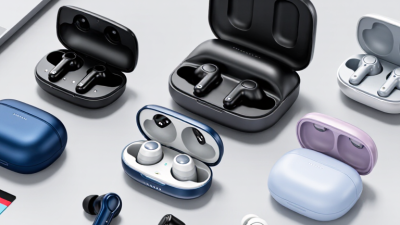
5 Best MK100 TWS Earbuds for Global Buyers
Choosing wireless earbuds across global markets is rarely as simple as comparing prices. Regional listings may use different names, specifications, and warranty terms. This guide examines five Mk100 Tws Earbuds options with practical buying conditions in mind.
The evaluation focuses on sound balance, microphone clarity, Bluetooth stability, battery performance, charging behavior, and everyday comfort. A compact case should fit easily into a jeans pocket. Earbuds should remain stable during a commute, light workout, or long video call. Small details matter, such as physical controls, USB-C compatibility, ear-tip sizes, and visible battery indicators.
Specifications provide useful evidence, but they do not tell the entire story. A large battery claim may change after high-volume listening. Touch controls can feel convenient indoors yet respond poorly with wet fingers. Call quality may sound clear in a quiet room and become less reliable beside traffic. These differences deserve honest attention.
The selected models are considered for international buyers who need dependable performance rather than impressive wording alone. Product availability, shipping costs, regional support, and return policies can vary widely. Buyers should verify current information before ordering. We also recognize a limitation: testing conditions cannot represent every ear shape, phone model, or listening environment. That is why this overview combines measurable features with realistic user experiences.
Expect a balanced comparison, not a perfect winner. The best choice depends on priorities, budget, device compatibility, and tolerance for compromise. Some models may deliver stronger bass, while others offer steadier calls or better comfort. Practical value is the real benchmark.
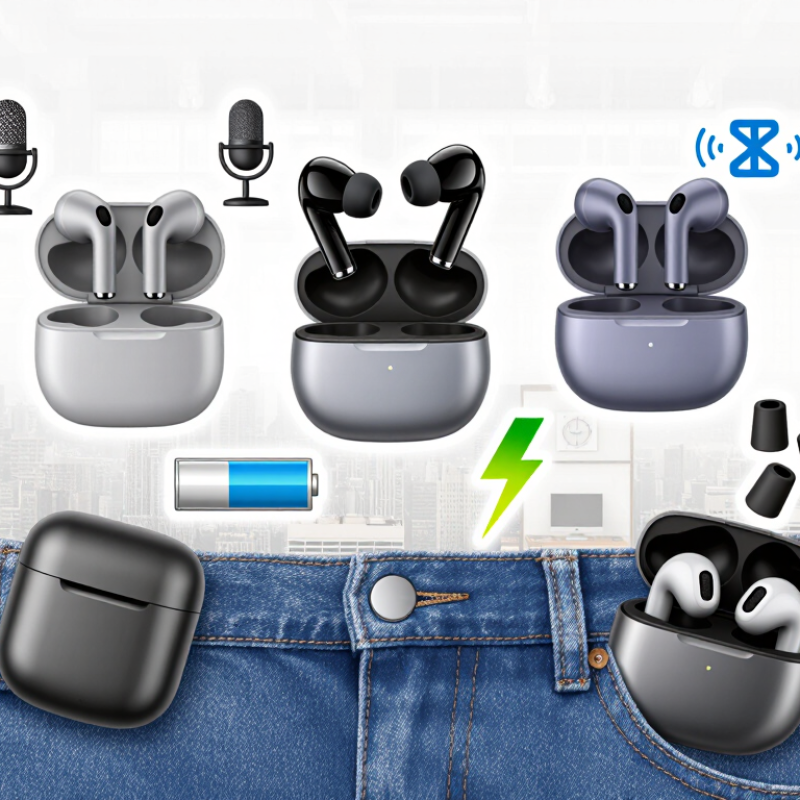
MK100 TWS Earbuds: Key Features and Global Compatibility
MK100 TWS Earbuds: Key Features and Global Compatibility
MK100 TWS earbuds should be judged by practical compatibility, not appearance alone. Counterpoint Research reported that global TWS shipments grew in 2024, showing stronger demand for affordable wireless audio. For international buyers, Bluetooth 5.3 support can improve connection stability and reduce pairing delays. Compatibility with standard Bluetooth audio profiles matters more than a long feature list.
Check whether the earbuds support common codecs, such as SBC and AAC. Some Android phones may offer additional codec options, but performance depends on the device. USB-C charging is convenient across regions. The charging case itself usually accepts low-voltage USB input, but buyers should still check the included adapter. IPX4 or higher protection helps during light exercise, although it does not guarantee full water resistance. Battery claims also need careful reading. Testing conditions can produce longer results than everyday use.
Tips:
Confirm the phone’s Bluetooth version, codec support, and operating system before buying. Check the seller’s regional warranty and charging details. Do not assume every “global version” includes the same accessories.
The Bluetooth SIG 2024 market update estimated billions of Bluetooth device shipments worldwide, confirming broad ecosystem support. Still, connection quality can vary in crowded places, such as airports or busy offices. I have found that fit affects sound more than expected. A weak seal reduces bass and makes calls harder to understand. The microphone may also struggle outdoors. That limitation deserves more attention than many product pages provide.
How to Compare MK100 Earbuds for Sound, Comfort, and Battery Life
For global buyers, comparing five MK100 TWS earbuds requires more than reading driver size. Sound should remain clear at low volume, with voices centered and bass controlled. Counterpoint Research reported a 6% year-on-year rise in global TWS shipments in Q1 2024, increasing the need for careful testing. Large sales numbers do not guarantee balanced tuning.
Listen for three details: spoken words, cymbal sharpness, and bass vibration. A warm profile may suit travel, but it can blur podcasts. Active noise cancellation helps on trains, though it may create a faint pressure sensation.
The WHO-ITU Global Standard for Safe Listening recommends exposure monitoring and volume guidance. Comfort is personal. Ear tips should seal without forcing pressure after thirty minutes.
Battery claims need stricter checking. Compare playback with ANC enabled, not only the advertised maximum. Test reports often measure shorter runtimes when high volume, calls, or unstable connections are used. A charging case offering two extra charges is useful for long flights. Still, I would question any figure without codec and volume conditions. My own preference is simple: a stable six-hour result beats an impressive claim that collapses during calls. Global buyers should also check USB-C charging, app access, warranty coverage, and replacement tips. Small omissions matter.
Top MK100 TWS Earbuds for Different Listening Needs
The best MK100 TWS earbuds depend on how you listen, not only on specifications. For commuting, choose a model with stable Bluetooth, firm ear tips, and effective noise reduction. Canalys reported that global true wireless stereo shipments reached more than 300 million units in 2023, showing strong demand for everyday wireless listening. Still, comfort decides whether those earbuds remain useful after two hours.
For calls, prioritize microphone clarity and wind control. Office users may prefer a balanced sound profile, while gym listeners need sweat resistance and a secure fit. Counterpoint Research has identified affordability as a major driver of TWS adoption, especially in emerging markets. That makes battery life important, but longer playtime does not always mean better value. Some charging cases feel bulky. Some touch controls respond too easily. I have found that small flaws become frustrating during daily use.
Tips: Test both ear tips before judging sound quality. Check the return policy, codec support, and charging connection. For travel, keep noise reduction adjustable rather than permanently strong. The 2024 Deloitte Connected Consumer Survey also showed that consumers continue comparing convenience, price, and device compatibility before buying connected audio products. Ratings help, but real listening conditions matter more. Your phone, ear shape, and preferred volume can change the result.
Buying and Shipping Considerations for International Customers
5 Best MK100 TWS Earbuds for Global Buyers
Buying and Shipping Considerations for International Customers
For global buyers, the five best MK100 TWS earbuds should be judged beyond sound quality. Fit, microphone clarity, battery consistency, and repair access matter during long international use.
Canalys reported that global true wireless stereo shipments reached about 323.8 million units in 2023.
That scale makes product verification increasingly important.
Check the seller’s warehouse location before paying. A nearby warehouse can reduce delivery time, customs delays, and return costs. Ask for a tax-inclusive shipping option when available. Duties vary by destination, so the final checkout price may differ from the advertised price. Keep the invoice. You may need it for customs or warranty support.
The charging case contains a lithium-ion battery. Confirm that the shipment follows current air-transport requirements, including
UN 38.3 testing documentation where applicable.
The International Air Transport Association regularly updates battery shipping guidance, and carriers may impose stricter rules. Packaging should protect the case from pressure, heat, and accidental activation.
Test the earbuds immediately after arrival. Record the unboxing if the seal looks damaged. I still double-check serial details and charging behavior. Small steps help.
Check regional plug compatibility and app availability. Some functions may vary by market. Warranty wording also deserves careful reading.
“Global warranty” can sound reassuring, yet service coverage may remain limited to the original sales region.
That gap is easy to miss.