Top 10 Sourcing And Procurement Strategies for Global Buyers?
In today's fast-paced global marketplace, Sourcing and Procurement play critical roles for businesses seeking competitive advantages. Companies are increasingly challenged to identify reliable suppliers while managing costs and ensuring quality. The landscape of sourcing is complex, with various strategies influencing decisions.
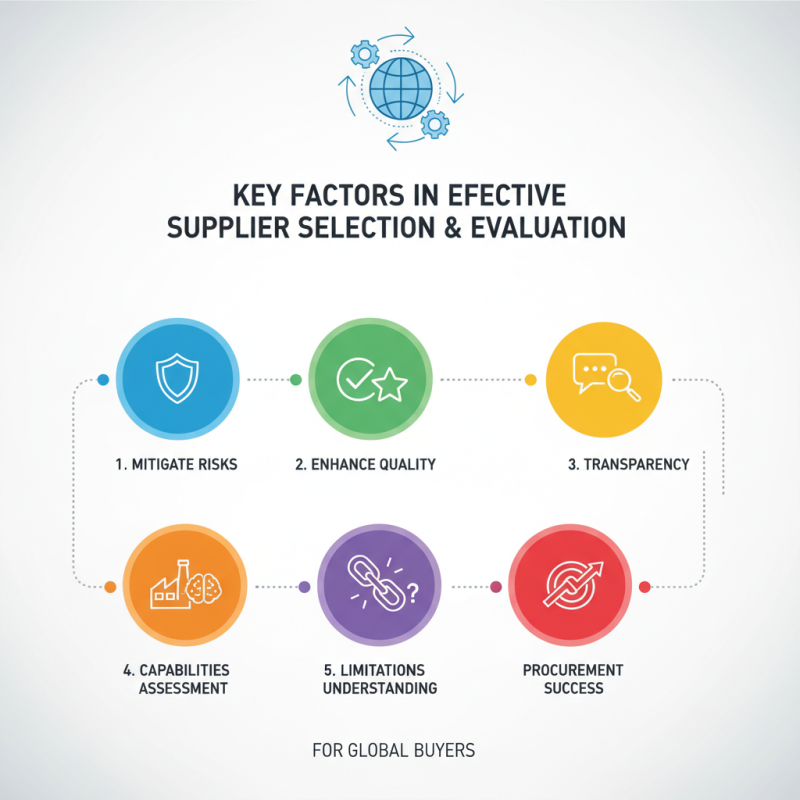
Developing effective Sourcing and Procurement strategies is essential to navigate this complexity. Buyers must evaluate suppliers not just on price but also on reliability and sustainability. Increasingly, companies are seeking partners who prioritize ethical practices alongside cost savings. This requires a deep understanding of market dynamics and trends.
However, it's important to acknowledge that not all strategies work for every business. Companies may face obstacles such as supply disruptions or fluctuating prices. Reflecting on past sourcing decisions can reveal valuable lessons. By examining successes and failures, buyers can better refine their approach. Making informed decisions in Sourcing and Procurement can ultimately drive growth and improve operational efficiency.

Understanding the Importance of Sourcing and Procurement in Global Markets
Sourcing and procurement are critical in today’s global markets. Efficient sourcing strategies can lead to significant cost savings and enhanced supply chain resilience. A recent report from McKinsey indicates that companies adopting robust procurement practices can achieve up to 20% cost reductions. Such savings ultimately contribute to improved profit margins and competitiveness.
Understanding market dynamics is essential for global buyers. The World Bank estimates that effective procurement can reduce project costs by 15-25% while enhancing quality and timely delivery. However, relying solely on price can be deceptive. Consideration of factors like supplier reliability and ethical sourcing is vital. Transparency and sustainability in procurement practices are becoming increasingly important, with 85% of consumers preferring brands with responsible sourcing efforts, according to Deloitte.
There is a growing trend of utilizing technology in procurement processes. Research from Gartner reveals that organizations using advanced analytics improve decision-making speed by 5-10 times. Yet, many companies still lag in implementing these technologies. This gap poses a challenge and highlights the need for continuous reflection on procurement strategies. Embracing innovation is not just beneficial but necessary for staying competitive in a rapidly changing landscape.
Top 10 Sourcing And Procurement Strategies for Global Buyers
Developing Strategic Partnerships for Long-term Supplier Relationships
Building strong supplier relationships is crucial for global buyers. It requires more than just transactional interactions. Establishing trust is foundational. Trust leads to openness and better collaboration. When buyers and suppliers work closely together, they can identify areas for improvement. This results in mutual gains.
Effective communication is a key element in strategic partnerships. Regular meetings, transparency in goals, and sharing feedback can strengthen ties. However, it’s easy to overlook the importance of these practices during busy periods. Buyers must ensure they keep the lines open and clear. This will prevent misunderstandings and foster a cooperative environment.
Investing time in understanding a supplier's challenges is essential. Many buyers focus solely on pricing and delivery schedules. This narrow view often leads to missed opportunities for innovation. A deeper understanding can reveal how you can support your suppliers better. This type of engagement promotes long-term loyalty and shared success.
Top 10 Sourcing And Procurement Strategies for Global Buyers
| Strategy |
Description |
Expected Outcomes |
| Supplier Diversification |
Enhancing supply chain resilience by sourcing from multiple suppliers. |
Reduced risk of supplier failure. |
| Long-term Partnerships |
Building collaborative relationships with key suppliers. |
Improved reliability and innovation in supply. |
| Cost Analysis |
Using data analytics to assess total cost of ownership. |
Informed sourcing decisions and cost savings. |
| Sustainability Practices |
Incorporating eco-friendly sourcing and procurement processes. |
Enhanced brand reputation and compliance with regulations. |
| Technology Integration |
Utilizing procurement technology tools for efficiency. |
Increased procurement process efficiency. |
| Regular Supplier Reviews |
Conducting periodic evaluations of supplier performance. |
Continual improvement in supply chain effectiveness. |
| Risk Management |
Identifying and mitigating risks in the supply chain. |
Minimized disruptions in supply. |
| Global Market Analysis |
Assessing global market trends for better sourcing decisions. |
Enhanced strategic sourcing capabilities. |
| Collaborative Planning |
Joint forecasting and planning with suppliers. |
Optimized inventory levels and reduced lead times. |
| Training and Development |
Investing in skills development for procurement teams. |
Improved procurement capabilities and team effectiveness. |
Leveraging Technology and Data Analytics in Procurement Processes
In today's fast-paced global market, leveraging technology and data analytics is essential for effective procurement processes. Companies are utilizing advanced tools to streamline sourcing. These technologies help analyze supplier performance, predict trends, and optimize spending. For instance, real-time data allows buyers to make informed decisions quickly. This agility can fuel competitive advantages in a crowded marketplace.
Many organizations struggle with integrating technology effectively. They may invest in sophisticated software but fail to train staff adequately. Without proper usage, even the best tools can become underutilized. Data quality is another concern. Inaccurate data can lead to flawed analysis and poor decision-making. Addressing these issues requires a culture of continuous improvement and skilled personnel.
The challenge lies in balancing human intuition with analytical tools. While data can uncover patterns, it may not capture all nuances. Buyers must blend quantitative insights with qualitative assessments. This holistic approach enhances decision-making. However, fostering innovation and agility requires ongoing reflection and adaptation. It’s crucial to remain open to feedback and continually refine strategies for better outcomes.
Risk Management Strategies in Global Sourcing and Procurement Practices
In today's global market, risk management is vital for sourcing and procurement. Businesses face various challenges such as supply chain disruptions, price volatility, and compliance issues. According to Deloitte's 2023 Global CPO Survey, 72% of procurement leaders prioritize risk management in their strategies. These leaders understand that identifying risks early can save costs and maintain supply chain integrity.
Implementing robust risk assessment tools is essential. Regularly evaluating suppliers ensures they meet compliance standards and quality expectations. For instance, using data analytics can help businesses identify potential disruptions before they escalate. Establishing strong relationships with multiple suppliers can also mitigate risks. Diversifying the supplier base reduces reliance on a single source, safeguarding against unforeseen events.
Tips: Regularly audit your supply chain processes to pinpoint weaknesses. Engage in scenario planning to prepare for potential risks. Lastly, prioritize supplier transparency to foster trust and reliability, enhancing collaboration. By focusing on these strategies, businesses can build resilience and strengthen their procurement practices in a volatile landscape.