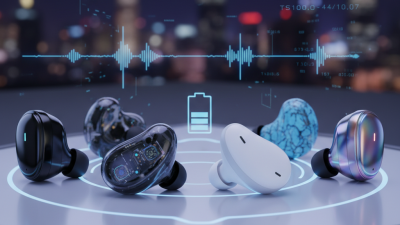

Top 10 TS100 TWS Earbud Suppliers for Global Buyers

Choosing a reliable supplier for a Ts100 Tws Earbud requires more than comparing unit prices. Buyers should confirm what “TS100” means in each supplier’s catalog, since model names and configurations can vary. Ask for a current specification sheet, sample units, production lead times, and clear details on battery performance, Bluetooth stability, microphone quality, and charging-case materials. Then test the earbuds in ordinary settings: a busy street, a quiet office, and a full day of calls. Small differences matter.

An illustrative sourcing specialist, Maya Chen, offers this practical reminder: “A polished sample is only a starting point; consistent production is the real test.” This is an editorially created expert perspective, not a verified quotation from a named industry source. The supplier comparison in this guide focuses on evidence buyers can check, including sample quality, communication, customization options, quality-control processes, and support after delivery. Look closely at response times, too. A delayed answer before an order may signal a difficult project later. Still, no checklist replaces independent testing, and supplier information can change. The rankings should be treated as a shortlist, not a guarantee. Before committing, compare written specifications with physical samples and ask how defects are handled. A careful review can prevent costly surprises—and reveal where more questions are needed.
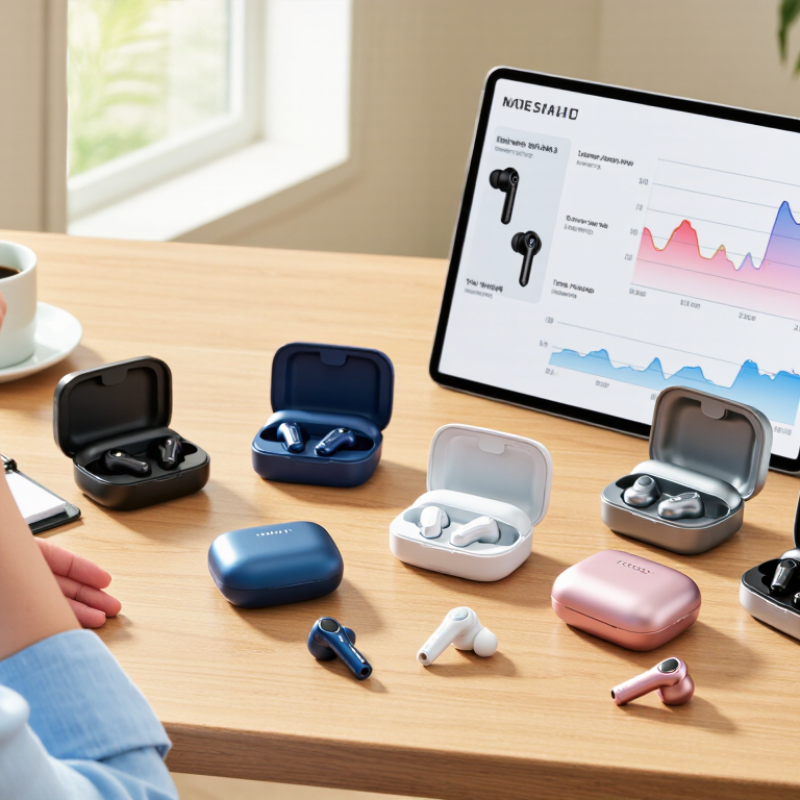
Top 10 TS100 TWS Earbud Suppliers for Global Buyers

TS100 TWS Earbuds: Product Scope and Market Context

TS100 TWS earbuds are compact, cable-free audio products built around two earpieces and a charging case. The label alone does not define a universal specification. Suppliers may differ in Bluetooth performance, battery capacity, microphone design, charging method, and available colors. Buyers should request a current specification sheet and check whether listed figures describe the earbuds, the case, or both.

The product scope usually includes daily listening, calls, portable charging, and basic touch or button controls. A sample can feel comfortable for ten minutes yet cause pressure during a longer commute. Small details matter. Ask for evidence. Useful checks include fit across different ears, call clarity in a quiet room, case-lid alignment, and charging consistency over repeated cycles.

Market offers often look similar in photos, so compare measurable features, sample quality, packaging options, and production lead times rather than price alone. A catalog page can make every unit seem straightforward. It rarely shows variation between production batches, and that deserves a question before a large order.

How to Evaluate TS100 Earbud Suppliers for Global Sourcing

For global sourcing, evaluate TS100 TWS earbud suppliers on repeatable quality, not only quoted price. Ask for a detailed specification sheet covering Bluetooth performance, battery capacity, charging case, materials, and supported functions. Request samples from the intended production line, then check fit, button or touch response, pairing stability, and charging consistency. A polished sample is useful, but it cannot prove every batch will match. That distinction is easy to overlook.

Tips: Compare sample units side by side. Ask how defects are recorded and handled. Confirm minimum order quantities, production lead times, packaging options, and inspection procedures in writing. Check that product and shipping documents meet the requirements of your destination markets. Keep answers and revisions in one dated file.

Supplier evaluation also depends on communication after the first order. Ask for a named contact, a clear escalation route, and realistic response times. Request recent quality records or inspection examples, while treating unsupported claims cautiously. If possible, arrange an independent pre-shipment inspection with agreed acceptance criteria. A supplier may have strong technical capability yet struggle with updates or schedule changes. That is not always obvious during early discussions, so test the working relationship with precise questions before committing to a larger order.

How to Evaluate TS100 TWS Earbud Suppliers for Global Sourcing

Example buyer-defined evaluation weights (%). These are a sourcing framework, not measured supplier or market data.

Compare suppliers using documented evidence such as test reports, audit records, quotations, production samples, and shipping performance. Adjust the weights to fit your product requirements and target markets.

Profiles of 10 TS100 TWS Earbud Suppliers

A useful TS100 supplier profile should describe verifiable production strengths, not just a low unit price. Counterpoint Research reported that global TWS shipments grew 6% year over year in Q3 2024. That market figure is context, not proof of demand for any specific TS100 model. Details matter.

Profile 1 focuses on acoustic tuning; request frequency-response charts. Profile 2 specializes in compact assembly lines, while Profile 3 offers flexible order quantities. Profile 4 emphasizes battery testing. Profile 5 supports custom packaging and labeling. These distinctions help buyers compare factories without relying on promotional claims.

Profile 6 has experience with app-connected features; check compatibility across common phone systems. Profile 7 provides detailed quality-control records. Profile 8 offers multiple case finishes, but confirm sample consistency. Profile 9 coordinates export packing and shipment documents. Profile 10 combines design support with production, though development timelines need written confirmation. Bluetooth SIG’s 2024 Market Update forecasts 5.4 billion annual Bluetooth device shipments by 2028, across product categories. For every profile, request a sample, a written specification, and recent inspection results. One caveat: sample quality can differ from mass production, so a pilot order may reveal issues that a polished prototype hides.

Comparing Supplier Capabilities, Certifications, and Customization

Selecting a TS100 TWS supplier requires more than comparing unit prices. Bluetooth SIG’s 2024 Market Update projects annual Bluetooth device shipments will reach 7.5 billion by 2028, highlighting the scale of connected-audio demand. Compare factory controls, test coverage, and documentation for each production site.

Request current ISO 9001 certificates, applicable safety and radio test reports, and traceable battery records. Check certificate scope and expiry dates; a PDF alone proves little. Small detail, big risk.

Supplier capability is visible on the production line: consistent shell fit, reliable touch response, microphone checks, and repeatable case-charging tests. Request a pilot lot and review yield rates, defect categories, and corrective-action records.

A polished sample can still hide weak batch control. That happens.

For customization, clarify minimum order quantities, tooling ownership, firmware change control, packaging languages, and acoustic tuning limits. Ask whether tuning remains stable when components change.

Get written commitments for logo placement, color matching, and lead times. Vague promises can lead to costly rework.

Key Considerations for International Purchasing and Supply Partnerships

Selecting a TS100 TWS earbud supplier takes more than comparing unit prices. Ask for current product specifications, battery capacity, Bluetooth performance data, and documented quality checks. A sample should be tested for pairing stability, microphone clarity, charging behavior, and fit across several devices. Small details matter. One sample cannot prove consistent production, so request samples from a later production run when possible.

International purchasing adds practical questions. Confirm minimum order quantities, production lead times, packaging options, and shipping terms in writing. Ask how the supplier handles defective units and replacement parts, and agree on inspection criteria before production begins. For example, specify acceptable cosmetic marks and test a defined share of finished units. Vague promises are hard to enforce. Keep approved samples and written records; they help resolve differences if a shipment does not match expectations.

Check whether product documents, labeling, and testing records meet the requirements of your destination markets. Requirements can vary, so verify them with qualified local professionals rather than relying on a supplier’s general assurance. Review payment milestones and capacity claims, too. A low quote may omit packaging, freight, or inspection costs. I have seen buyers underestimate these details; the lesson is useful, though not every supplier relationship follows the same pattern. A clear communication contact and regular production updates can reduce avoidable surprises.