What Does a Sourcing Specialist Do and How to Become One?
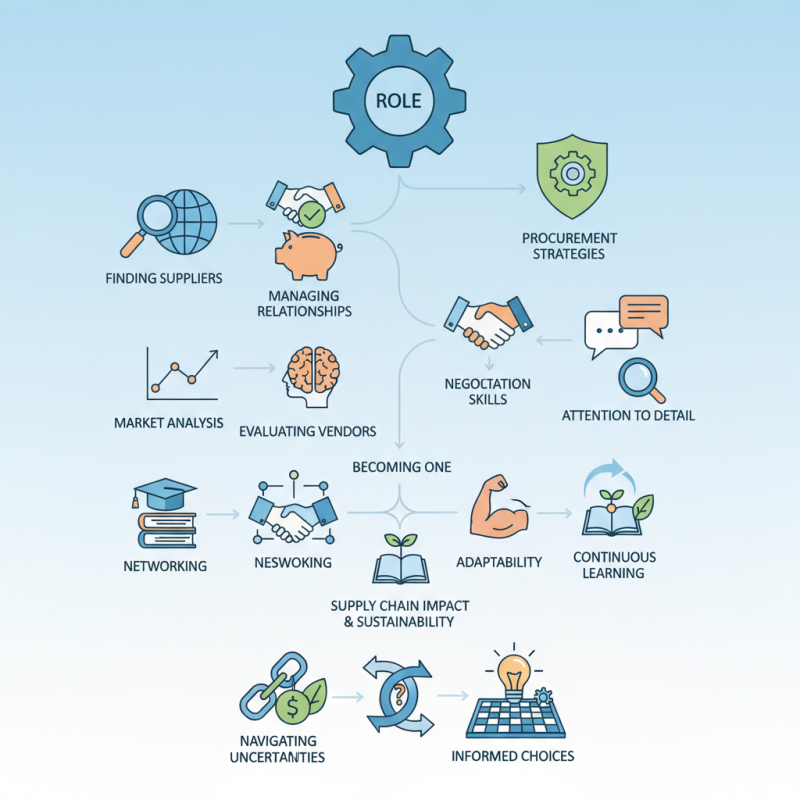
A Sourcing Specialist plays a vital role in today’s dynamic business landscape. These professionals are responsible for finding the best suppliers and managing procurement strategies. They analyze market trends and evaluate potential vendors to ensure quality and cost-effectiveness. The nature of their work requires strong negotiation skills and a keen eye for detail.
Becoming a Sourcing Specialist involves several steps. A solid educational background in business or supply chain management is helpful. Yet, hands-on experience can often teach skills that schools cannot provide. Networking and continuous learning are important in developing expertise. Challenges abound, making it a role that requires resilience and adaptability. Each sourcing decision not only impacts cost but also influences the overall supply chain.
In essence, being a Sourcing Specialist is not just about finding suppliers. It's about building relationships and ensuring sustainability. This career path offers rewards but also demands constant reflection and growth. Individuals must be prepared to navigate uncertainties and make informed choices.
What is a Sourcing Specialist?
A sourcing specialist plays a vital role in finding suppliers and negotiating contracts. They identify potential vendors and assess their capabilities. This position requires strong analytical skills and knowledge of market trends. A sourcing specialist must be detail-oriented, able to analyze costs and quality effectively. They often collaborate with various departments, ensuring that the company receives the best products at the right price.
Tips: Networking is crucial. Attend industry events and connect with potential suppliers. Building relationships can often lead to better deals and exclusive offers.
Sourcing specialists need to be adaptable. Market conditions can change rapidly. It’s essential to stay informed about trends in the supply chain and adjust strategies accordingly. Mistakes can happen, such as misjudging supplier reliability. Learning from these experiences is important for future success.
Staying organized is key to managing multiple sourcing projects. Use digital tools to track communications and deadlines. Documentation helps prevent misunderstandings and keeps everything clear. Always aim for transparency with suppliers to build trust over time.
Key Responsibilities of a Sourcing Specialist
A sourcing specialist plays a crucial role in supply chain management. This position involves finding and evaluating suppliers. Identifying potential vendors is just the start. A sourcing specialist must assess quality, cost, and reliability. They often conduct market research to understand pricing and trends. Strong analytical skills are vital. Working with data helps in making informed decisions.
Building relationships is another key responsibility. A sourcing specialist communicates with suppliers regularly. They negotiate terms and conditions effectively. This skill can make a significant difference in costs. Sometimes, difficult conversations arise during negotiations. Navigating these situations requires patience and strategy. Reflecting on past experiences improves future interactions.
Information management is critical too. A sourcing specialist keeps accurate records of supplier agreements. Tracking performance metrics helps identify areas for improvement. However, dealing with unreliable suppliers can be frustrating. Learning from these challenges is essential for growth. Being adaptable to changing market conditions also plays a vital role. Overall, this profession demands perseverance and continual learning.
Essential Skills Needed for a Sourcing Specialist
A sourcing specialist plays a critical role in supply chain management. They must possess a blend of skills to thrive in this competitive space. Effective negotiation skills are essential. According to a report by Deloitte, skilled negotiators can save companies up to 20% in procurement costs. This skill helps specialists build strong supplier relationships while ensuring favorable terms.
Analytical skills are also key. A sourcing specialist must analyze market trends and supplier performance. According to a study by Spend Matters, 60% of sourcing decisions hinge on data analytics. An ability to interpret data accurately can lead to better sourcing strategies. Additionally, strong communication skills are vital. Specialists must convey complex information clearly to teams and stakeholders.
Creativity can be an overlooked asset in this role. The ability to think outside the box can lead to innovative sourcing solutions. However, some specialists may struggle with traditional methods and resist change. Being adaptable is crucial. Continuous learning and staying updated on industry changes can make a significant difference. Ultimately, the combination of these skills can drive success within sourcing departments.
Sourcing Specialist Skills Proficiency
Educational Background and Qualifications for Success
To be a successful sourcing specialist, educational background matters greatly. A bachelor's degree in supply chain management or business administration is often preferred. Many employers seek candidates with additional certifications, such as the Certified Supply Chain Professional (CSCP). This can help you stand out in a competitive job market. According to industry reports, approximately 47% of sourcing specialists hold at least a bachelor’s degree.
Hands-on experience can be equally important. Internships during college can provide practical knowledge. Professionals often suggest engaging in projects that involve negotiation or supplier analysis. About 30% of sourcing specialists transition from related fields such as procurement or logistics, making their previous experience valuable. However, there can be gaps in understanding market trends and supplier relationships. Continuous learning is vital in staying updated with industry advancements.
Skills are just as crucial as education. Proficiency in data analysis is essential. Many sourcing specialists utilize software tools for managing supplier data. Communication skills play a key role as well. However, not all sourcing specialists excel in relationship-building. Recognizing these areas is crucial for career development. The sourcing landscape is ever-evolving, demanding ongoing reflection and improvement.
What Does a Sourcing Specialist Do and How to Become One? - Educational Background and Qualifications for Success
| Dimension |
Details |
| Job Description |
Sourcing specialists identify and evaluate suppliers, negotiate contracts, and manage supply chain processes. |
| Key Responsibilities |
Conduct market research, supplier assessments, contract negotiations, and maintain supplier relationships. |
| Educational Background |
Bachelor's degree in business, supply chain management, or a related field is often required. |
| Qualifications |
Strong analytical skills, negotiation skills, and proficiency in supply chain management software are essential. |
| Experience Needed |
Experience in procurement, purchasing, or supply chain is beneficial; internships may also help. |
| Certifications |
Certifications like Certified Supply Chain Professional (CSCP) or Certified Purchasing Professional (CPP) can enhance prospects. |
| Career Advancement |
With experience, sourcing specialists can advance to senior purchasing manager or supply chain director roles. |
Steps to Launch a Career as a Sourcing Specialist
To launch a career as a sourcing specialist, start by understanding the role. A sourcing specialist finds suppliers for goods and services. They negotiate contracts and ensure quality. This job requires keen analytical skills and attention to detail.
Education is essential. A degree in business, logistics, or supply chain management can be beneficial. However, it’s not the only path. Experience can sometimes outweigh formal education. Seek internships or entry-level positions in procurement. You will learn the ropes and gain practical knowledge.
Tips: Networking is key in this field. Attend industry events and connect with professionals. Join online groups related to sourcing. Every interaction can lead to opportunities.
Building strong relationships is vital. Understand your suppliers thoroughly. Sometimes, miscommunication leads to poor outcomes. Reflect on past mistakes to improve future negotiations. Continuous learning is crucial. Keep up with industry trends and technologies to stay competitive.