
Top 10 Global Sourcing Strategies for Successful Businesses

In today's competitive landscape, businesses increasingly rely on Global Sourcing to thrive. Companies seek cost-effective solutions, access to new markets, and innovative products. However, implementing a successful global sourcing strategy is not without challenges.

Many organizations struggle with issues such as language barriers and cultural differences. For example, communication can lead to misunderstandings that disrupt supply chains. Additionally, managing quality control across different countries is a significant concern. A single defect in a product can tarnish a brand's reputation globally.

It is crucial for businesses to reflect on their sourcing methods. Are they leveraging the best resources? Are they considering ethical implications? Each choice matters in the global arena. With the right strategies, businesses can navigate these complexities and emerge stronger.
Top 10 Global Sourcing Strategies for Successful Businesses

Understanding Global Sourcing: Definition and Importance in Business

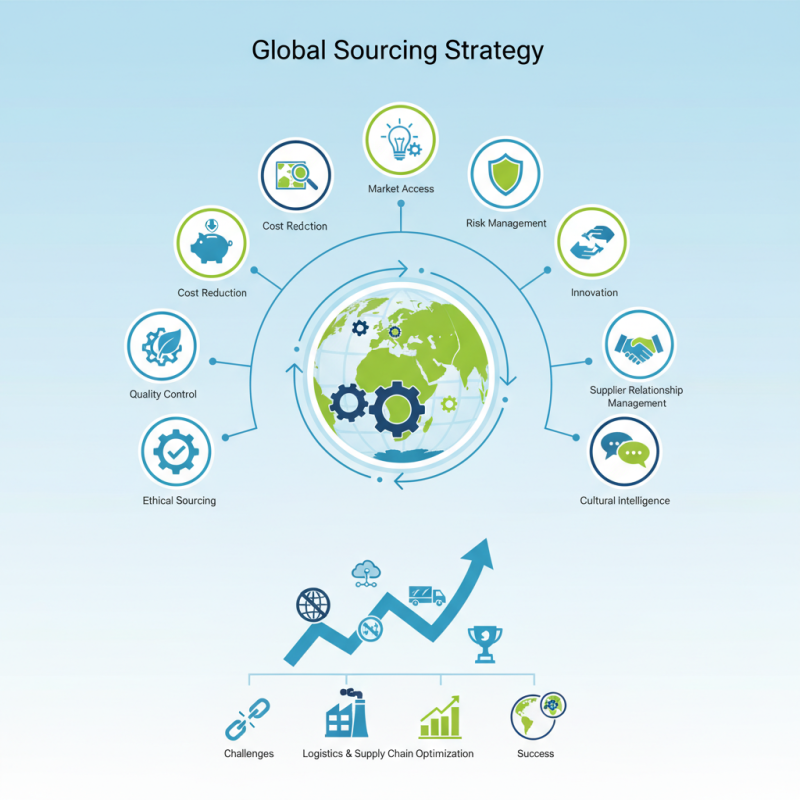
Global sourcing is a critical strategy for businesses aiming for success in today’s competitive landscape. It refers to procuring goods and services from international markets. This approach allows companies to access resources that may not be available locally, often resulting in cost savings and improved efficiency. Understanding the nuances of global sourcing is essential for any business looking to thrive.

Tips: Evaluate local capabilities before going global. Sometimes, local suppliers can offer competitive pricing. Also, consider time zones when coordinating. Miscommunication can lead to delays and misunderstandings.

The importance of global sourcing lies in its ability to enhance a business’s market reach. It opens new avenues for innovation and helps companies to stay ahead of trends. Businesses must, however, reflect on potential challenges. Cultural differences and language barriers can complicate relationships with foreign suppliers.

Tips: Invest in building strong relationships. Trust is essential for effective collaboration. Regular communication and follow-ups can help strengthen these ties. Be proactive in addressing potential issues rather than waiting for them to escalate.
Evaluating Cost vs. Quality: Balancing Priorities in Global Sourcing

In global sourcing, evaluating cost versus quality is crucial for success. Companies often prioritize reducing expenses. However, skimping on quality can backfire. Low-cost materials may lead to higher return rates and customer dissatisfaction. A balance must be struck.


Quality products foster customer loyalty. They create a positive brand image. Yet, this doesn’t mean sacrificing budget constraints. Smart sourcing focuses on finding reliable suppliers. Direct communication is key. Businesses should clearly define expectations. Misunderstandings can lead to costly errors and delays.


Sometimes, companies rush decisions. They overlook the importance of thorough research. Relying solely on previous vendor relationships can stifle innovation. Continuous evaluation of suppliers can reveal better options. Investing in quality is a long-term strategy. This reflects a commitment to excellence.

Leveraging Technology: Digital Tools for Efficient Sourcing Decisions

In today's fast-paced business landscape, leveraging technology for sourcing decisions is crucial. Digital tools can streamline procurement processes and enhance decision-making. According to a recent report, 79% of organizations that have invested in digital sourcing tools have seen improved efficiency. However, many still struggle to fully integrate these tools into their systems.

Utilizing analytics software can refine sourcing strategies. It allows companies to analyze market trends, supplier performance, and pricing. Yet, businesses often overlook the importance of data accuracy. Poor data quality can lead to misguided decisions. Investing in training for staff on these tools can mitigate these risks.

**Tips:** Regularly audit data for accuracy. Ensure staff are well-trained on new technologies. Embrace cloud-based solutions for better collaboration.

While technology presents opportunities, it can also expose weaknesses. Some organizations report a lack of user-friendly interfaces, which hinders adoption. Moreover, difficulties in aligning technology with existing processes can present significant challenges. Failure to address these issues may impair sourcing efficiency.

Top 10 Global Sourcing Strategies for Successful Businesses

Strategy Description Benefits Technology Tools
Data Analytics Utilizing data analysis to evaluate supplier performance and market trends. Improved decision-making, identification of cost-saving opportunities. Tableau, Power BI
Cloud-based Sourcing Using cloud platforms to facilitate collaboration with suppliers. Increased flexibility, accessibility, and scalability. SAP Ariba, Coupa
Artificial Intelligence Implementing AI to optimize supply chain processes and forecasting. Enhanced efficiency, accuracy in demand forecasting. IBM Watson, Microsoft Azure AI
Blockchain Technology Ensuring transparency and traceability in the supply chain. Improved trust, reduced fraud risk. Ethereum, Hyperledger
Supplier Relationship Management Managing supplier relationships to foster collaboration and performance. Stronger partnerships, enhanced supplier performance. SAP SRM, Oracle SRM
E-sourcing Tools Using online platforms for sourcing and procurement activities. Cost savings, increased efficiency in procurement. Jaggaer, Procore
Mobile Sourcing Applications Leveraging mobile apps for on-the-go sourcing decisions. Increased accessibility, quicker reaction times. Sourcing mobile apps, custom solutions
Sustainability Tools Incorporating sustainability metrics into sourcing decisions. Enhanced brand reputation, compliance with regulations. EcoVadis, SupplyShift
Risk Management Solutions Identifying and mitigating risks in the supply chain. Reduced disruptions and financial losses. Riskmethods, Resilience360

Risk Management in Global Sourcing: Strategies to Mitigate Supply Chain Disruptions

In today's interconnected world, managing risks in global sourcing is crucial. Supply chain disruptions can severely impact operations. A report from the Institute for Supply Management indicates that nearly 75% of companies experienced supply chain interruptions in recent years. Diverse sourcing strategies can mitigate these risks.

Vulnerabilities often arise when companies rely on single suppliers or regions. Instead, businesses should consider diversifying their supplier base. For example, sourcing from multiple countries can provide flexibility. A survey by Deloitte found that companies with diverse suppliers reported 20% more resilience during crises.

Tips: Regularly assess your supply chain’s weaknesses. Establish relationships with backup suppliers. Monitor geopolitical situations that might affect your sourcing strategy. Companies might neglect these steps, assuming their current system is reliable. Remember, ignoring potential threats can lead to significant losses. Investing in risk management pays off in stability and reliability.

Sustainable Sourcing Practices: Aligning Business Goals with Ethical Standards

Top 10 Global Sourcing Strategies for Successful Businesses

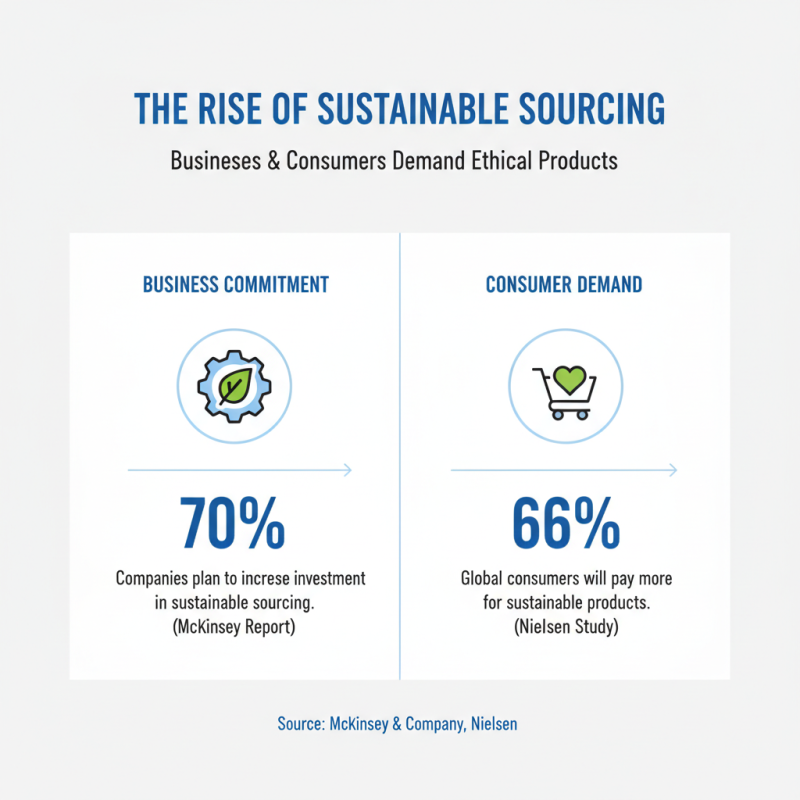
Sustainable sourcing is gaining traction among businesses. A McKinsey report notes that 70% of companies plan to increase their investment in sustainable sourcing practices. This focus not only enhances brand reputation but also aligns with consumer expectations for ethical standards. Consumers are increasingly aware and concerned about the origins of products. A Nielsen study reports that 66% of global consumers are willing to pay more for sustainable products.

However, many businesses face challenges in implementing these practices. Sourcing from more ethical suppliers can raise costs. This could impact profit margins, particularly for small and medium enterprises. A Harvard Business Review article highlights that 73% of businesses struggle to find suppliers who meet their sustainability criteria. The journey towards sustainable sourcing often demands difficult decisions and compromises. Businesses might have to prioritize between cost efficiency and ethical sourcing, which can lead to internal conflicts.

Transparency in the supply chain is crucial. Companies should invest in tracking systems to ensure ethical practices. The World Economic Forum emphasizes that 58% of consumers desire increased transparency about product sourcing. Achieving this transparency can be resource-intensive. These obstacles urge businesses to rethink their sourcing strategies and confront the complexities of balancing ethical standards with business goals.