How to Choose the Best Foldable Electric Bike for You?
As urban environments grow more congested, the appeal of Electric Bike Foldable options is surging. According to a recent report by Allied Market Research, the global e-bike market is projected to reach $120 billion by 2025, with foldable models gaining a significant share. This boom reflects a shift towards sustainable transportation.
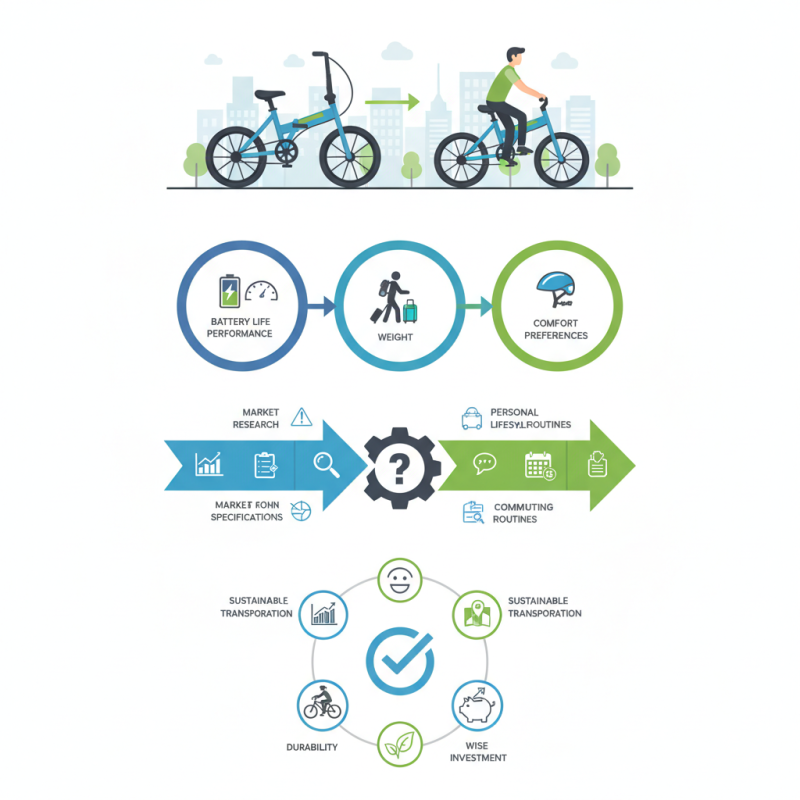
Choosing the right electric foldable bike can be daunting. Factors like battery life, weight, and comfort matter. A survey from Statista shows that over 70% of e-bike users prioritize portability and ease of use. However, many potential buyers struggle to navigate the myriad of choices available. Misleading specifications can lead to poor investment decisions, highlighting the need for careful consideration.
In this rapidly evolving market, understanding personal needs is crucial. The ideal Electric Bike Foldable should match commuting routines and lifestyle preferences. Yet, not all bikes live up to their claims. Potential buyers often find issues with durability and performance, leading to buyer's remorse. It's essential to research thoroughly and reflect on what truly matters for your riding experience.
Understanding Your Needs and Riding Style for a Foldable Electric Bike
When choosing a foldable electric bike, consider your riding style and needs. Reflect on where you will ride most often. City commuting? Off-road trails? Each environment demands different features.
For urban areas, a lightweight model might be ideal. Look for compact designs that easily fit on public transport. A more robust bike could suit someone who enjoys weekend adventures.
Speed can also play a crucial role. How fast do you prefer to travel? Some riders enjoy a leisurely pace while others want to zip around town. Think about battery life too. Longer rides require better range. You might educate yourself on wattage and durability, but it’s easy to get overwhelmed. Test rides help gauge comfort. If you feel awkward pedaling, it’s probably not a good fit.
The folding mechanism matters as well. How quickly can you pack it up? A bike that’s cumbersome to fold won't get used as often. Always check the weight, especially if you need to carry it upstairs. It can be a hassle, and practicality is key. A good option should appeal to both your need for ease and your desire for fun.
Evaluating Key Features: Battery Life, Weight Capacity, and Speed
When choosing a foldable electric bike, key features should guide your decision. Battery life is critical. A longer battery range will help you travel further without interruption. Look for bikes with at least 30 miles of range on a single charge. This can determine how often you will need to recharge your bike during your adventures.
Weight capacity is another important feature. Make sure the bike can support your weight and any additional items. A durable frame is essential. Some bikes have a lower weight limit, which might not suit everyone. Double-check specifications to avoid disappointment later.
Here are some tips: Consider your usual riding distance. If you rarely ride longer than 10 miles, a bike with a smaller battery may be sufficient. Pay attention to the bike's weight. Heavier bikes may be tougher to carry when folded. Lastly, think about the speed. Many models offer up to 20 mph. This is plenty for urban commuting, but it depends on your needs. Don't overlook the importance of comfort and fit in your riding experience.
How to Choose the Best Foldable Electric Bike for You?
Comparing Different Foldable Electric Bike Models and Brands
When choosing a foldable electric bike, understanding different models and brands is crucial. Reports indicate that the foldable e-bike market is growing steadily, with an expected CAGR of over 10% from 2021 to 2026. Factors influencing this trend include urban commuting patterns and environmental concerns. However, not all models fit every rider's needs. It's important to assess battery range, weight, and folding mechanisms.
Weight can significantly impact usability. Some models weigh around 30 pounds, while others are as light as 20 pounds. A lighter bike is easier to carry and store. Yet, lighter bikes may compromise on durability, often causing users to question longevity. Battery life is equally vital. Many options offer ranges from 15 to 50 miles. Users must consider their commuting distance and the possibility of pedaling without assistance.
Additionally, features vary widely among models. Some come with multiple pedal-assist levels; others may lack this. This can lead to unexpected struggles during climbs. Price points are another variable, with basic models starting around $500. Higher-end options can exceed $3,000. Understanding what you need versus what you want is essential, as the perfect model is not always the most expensive. Balancing practical features and personal preferences can ensure a more satisfying choice.
Assessing Portability: Size, Weight, and Folding Mechanism
When choosing a foldable electric bike, assessing portability is crucial. Size and weight significantly impact daily use. A typical foldable e-bike can weigh between 30 to 50 pounds. Heavier models may be challenging to carry when folded. Portable bikes often weigh around 30 pounds, making them easy to lift and transport.
The folding mechanism also plays a vital role. Some bikes fold in seconds, while others require more effort. Convenience is paramount if you plan to store your bike in tight spaces, such as apartments or car trunks. According to industry reports, the ease of folding can affect how often people use their e-bikes. A bike that folds awkwardly might end up sitting in a corner.
Consider dimensions too. Ideal folded sizes are often less than 30 inches in length. This size fits comfortably in small vehicles or under desks. Larger dimensions can make it cumbersome. An effective foldable bike should balance between compactness and functionality. It’s also worth reflecting on your lifestyle needs. A bike that fits perfectly today might not suit your future requirements.
Budget Considerations: Finding Value in the Foldable Electric Bike Market
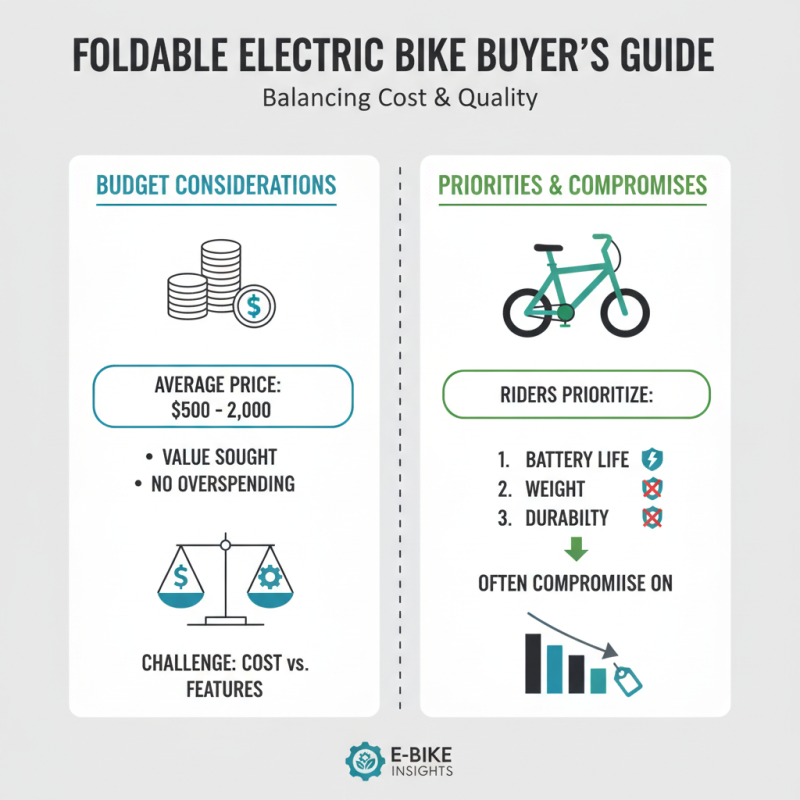
When considering a foldable electric bike, budget is crucial. The average price ranges from $500 to $2,000. Many riders seek value without overspending. The challenge lies in balancing cost with quality features. Reports indicate that bike buyers prioritize battery life, weight, and durability. However, they often compromise on these aspects for lower prices.
A recent survey highlighted that 42% of consumers feel overwhelmed by options. This confusion can lead to regrettable purchases. Many affordable models lack sufficient range or reliable components. Moreover, some cheaper bikes weigh too much to carry easily. The key is to identify what features matter most to you.
Investing in a foldable electric bike should take future needs into account. Ask yourself: How will you use it? If commuting, prioritize battery efficiency and portability. According to industry reports, users may spend more on bikes that last longer. This reveals a trend where initial savings may lead to higher long-term costs. The market is filled with options, but not all are created equal. Aim for a bike that meets your requirements, even if it means adjusting your budget.