

10 Best Foldable Electric Bikes for Commuting?

A folding bike can make a crowded commute feel more manageable. It may fit beside a desk, under a train seat, or inside a small apartment. But a compact frame alone does not make a bike a good daily choice. Weight, folded dimensions, motor assistance, braking, and battery range all shape the experience.

This guide to the 10 best foldable electric bikes for commuting compares models through practical details and published specifications. A Foldable Electric Bike should be easy to carry when the battery runs low, stable on uneven pavement, and simple to fold without a wrestling match. We also consider useful commuter features, such as integrated lights, fenders, racks, and clear battery displays. A listed range is only an estimate. Rider weight, hills, temperature, and assist level can change it substantially.

There is no perfect pick for every route. A lighter bike may be easier on stairs but offer less range or a smaller battery. A powerful motor can help on steep streets, though it may add weight and cost. These trade-offs deserve a close look. Product specifications and availability can change, so confirm current details before buying. A little skepticism helps. The right bike is the one that fits your commute, storage space, and budget—not simply the one with the biggest numbers.
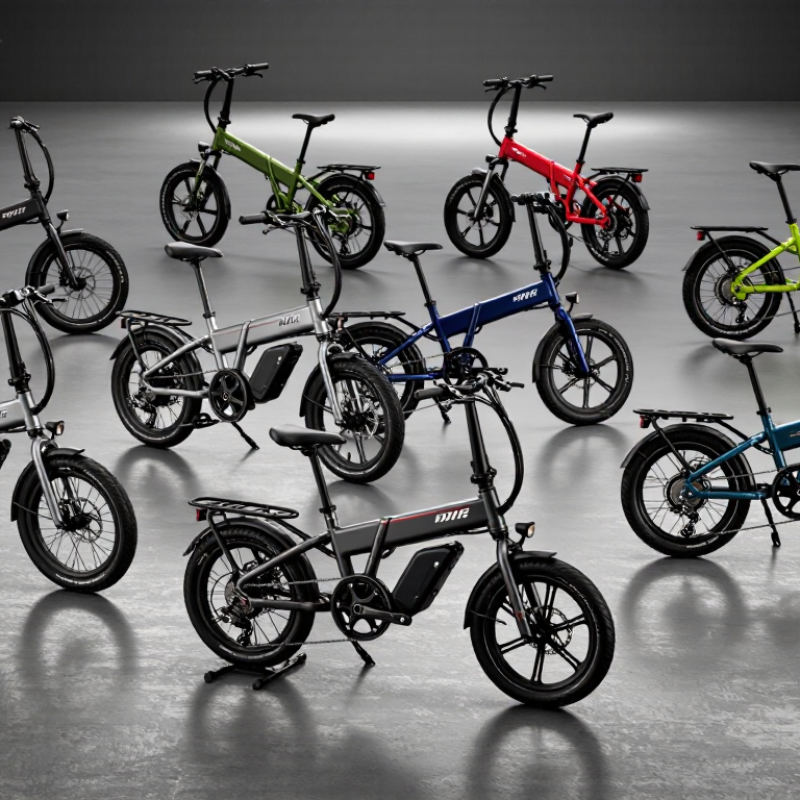
10 Best Foldable Electric Bikes for Commuting?

What Makes a Foldable Electric Bike Practical for Commuting?

A foldable electric bike is practical for commuting when it fits your whole journey, not just the ride. Check its folded dimensions against your hallway, office corner, or train space. Weight matters too. If you must carry it up stairs, even a short flight can make a heavy bike feel inconvenient. Test the folding latch; it should lock securely without a struggle.

Range figures are estimates, not promises. Cold weather, hills, frequent stops, and rider weight can reduce how far a charge goes. Look for a removable battery if you need to charge it indoors. Small wheels can make a bike easier to store, but rough pavement may feel harsher. Good brakes, visible lights, and a comfortable riding position matter on busy daily routes. I’d still check the folded bike’s real weight before buying; that detail is easy to underestimate.

Tips: Measure your storage space first. Try lifting the bike, and practice folding it once or twice. Keep a little battery range in reserve for detours or delays.

Key Features to Compare Before Choosing a Commuter E-Bike

A foldable electric bike can make a crowded commute easier, but the smallest folded size is not always the best choice. Compare folded dimensions with your actual storage space, such as a hallway corner or train luggage area. Then check the bike’s weight. Carrying it up one flight of stairs can feel very different from rolling it across a shop floor. It can be surprisingly heavy.

Battery range deserves a careful look. Published estimates often assume gentle riding, light loads, and favorable conditions. Hills, cold weather, and frequent stops can reduce the distance you get. Compare battery capacity and charging time, and think about where you can charge during the week. Check the brakes, tire width, and lighting, too. Wider tires may feel steadier on rough pavement, while reliable brakes matter in wet traffic. A short test ride can reveal an awkward handlebar position or a fold latch that takes practice.

Tips: Measure your storage spot before shopping. If possible, fold and lift the bike yourself, then test its fit on your usual route. A slightly larger bike may ride better, though I would not assume that suits every commuter.

10 Foldable Electric Bikes for Different Commuting Needs

Foldable electric bikes serve very different commutes, so “best” depends on the route and where the bike must fit. A lightweight model suits riders carrying it up stairs or onto a train. A compact-wheel option can tuck beside a desk, though rough pavement may feel less forgiving. For longer distances, prioritize battery capacity and a clear charge routine. No outlet at work? That changes the choice.

Some commuters need stronger assistance for steep streets, while others value a comfortable seat and upright position on slower rides. A cargo-style folder can carry groceries, but its extra weight may make daily lifting annoying. Wider tires can feel steadier on cracked roads; puncture protection is worth checking. There are also simpler, lower-cost designs for short trips, plus models with brighter lights and weather-resistant components for frequent riding.

Test the folding latch, too. A stubborn hinge gets old fast. Check folded dimensions against your hallway, car trunk, or storage locker, and compare the bike’s weight with what you can comfortably lift.

Published range figures vary with hills, rider load, temperature, and assist level, so leave a practical buffer. I would not choose by range alone; a bike that folds awkwardly can ruin an otherwise easy commute.

How to Match an E-Bike to Your Route, Budget, and Storage Space

A folding e-bike should fit the trip you actually ride, not an idealized route. The Federal Highway Administration’s 2017 National Household Travel Survey found that 52% of U.S. trips were under three miles. For short commutes, prioritize quick folding, predictable braking, and tires suited to your pavement. On steep or rough routes, test hill starts and comfort before paying extra for compact storage. A small wheel can feel nimble, but bumps may feel sharper.

Storage changes the best choice. Measure your hallway, elevator, desk corner, and car trunk; check the folded bike’s dimensions and lifting weight. Measure twice.

The U.S. Census Bureau’s 2023 American Community Survey put the average one-way commute at 27.6 minutes, but your traffic, hills, and weather can make battery needs very different. Compare battery capacity and realistic range, leaving a reserve rather than trusting the largest advertised figure.

Set a full budget for a secure lock, lights, maintenance, and possible carrying needs. Not glamorous. A lighter frame may be easier upstairs, while a heavier one can feel more settled on broken pavement.

I’d still want a test ride: folding hinges, saddle height, and carrying comfort are easy to underestimate on a spec sheet.

What to Check Before Buying a Foldable Electric Bike

Before buying a foldable electric bike, check how it fits your actual commute. Measure the folded frame against your hallway, office corner, or car trunk. Then consider its weight: lifting a bike onto a train platform or up several flights of stairs can feel very different from rolling it outside. Small details matter. A quick-folding hinge is useful only if its latch feels secure and is easy to operate. Check the frame joints for obvious play, and ask how the folding mechanism should be inspected over time.

Look closely at the battery, too. If it detaches, confirm you can remove it without tools and charge it near a suitable outlet. Treat advertised range as an estimate; hills, cold weather, rider weight, and frequent stops can reduce it. Not always. Ask about replacement batteries and service access before you buy. Check that the saddle and handlebar adjust to a comfortable position, then test the bike at low speed. Notice how it starts, brakes, and handles uneven pavement. A compact wheel may make storage easier, but it can feel less forgiving over potholes. I would not choose by folded size alone; a bike that is awkward to carry or uncomfortable to ride may stay home.

10 Best Foldable Electric Bikes for Commuting? - What to Check Before Buying a Foldable Electric Bike

Use this practical checklist to compare foldable electric bikes for commuting. The figures below are general reference points, not specifications for a particular model; actual performance varies with rider weight, terrain, weather, assist level, and battery condition.

No. What to Check Useful Reference Point Why It Matters for Commuting Before You Buy
1 Folded dimensions Compare the folded length, width, and height with your storage space, car boot, or workplace area. A bike that folds may still be too bulky for a crowded train, small apartment, or compact car. Measure the actual folded bike, including pedals and handlebars.
2 Bike weight Many folding e-bikes weigh roughly 18–30 kg; batteries and accessories can add weight. You may need to lift it onto public transport, carry it upstairs, or move it while folded. Check the listed weight and confirm whether it includes the battery.
3 Battery capacity Capacity is usually stated in watt-hours (Wh). A higher Wh figure generally means more stored energy, but not a guaranteed range. Battery capacity helps indicate whether the bike may suit your daily distance and charging routine. Compare Wh ratings, battery replacement availability, and charging time.
4 Realistic riding range Published ranges are often measured under specific test conditions and may exceed everyday results. Cold weather, hills, frequent stops, higher assist, and heavier loads can reduce range. Look for test conditions and leave a range reserve for your round trip.
5 Motor assistance and local rules Check the motor’s rated continuous power, assistance behavior, and maximum assisted speed for your location. Electric-bike classes and road-use rules differ by jurisdiction; a model may not be legal everywhere. Verify current local regulations before purchasing or riding.
6 Brakes Confirm the brake type, condition, and suitability for the bike’s weight and expected riding conditions. Reliable braking is important in wet weather, traffic, and on downhill sections. Test the brakes in person and check replacement-part availability.
7 Frame and folding latch Inspect the hinge, locking mechanism, frame joints, and any secondary safety catch. The folding mechanism is a frequently handled part and must lock securely during riding. Fold and unfold it several times; check for play, damage, or unclear locking steps.
8 Fit and riding position Check the manufacturer’s rider-height guidance, saddle adjustment range, and handlebar reach. A compact frame may not fit every rider comfortably, especially on longer commutes. Take a test ride if possible and check that the saddle and handlebars adjust safely.
9 Tires and ride comfort Small wheels can make a bike compact; tire width, pressure, and any suspension affect comfort and handling. Rough roads, potholes, and curbs can feel more pronounced on some compact-wheel bikes. Check tire availability, recommended pressure, and comfort on your usual route.
10 Service, warranty, and safety equipment Review the written warranty, service options, replacement battery and parts access, lights, and reflectors. After-sales support matters for a daily-use vehicle, while visibility equipment helps in traffic. Confirm support in your area and check which safety items are included.

Buying tip: For a mixed bike-and-train commute, prioritize manageable carry weight and folded size. For longer or hillier routes, pay closer attention to battery capacity, realistic range, brakes, and local e-bike regulations.